Ants FACTS & INFORMATION
(Common Household Ants - Formicidae)
Crawling InsectWhat do ants look like?
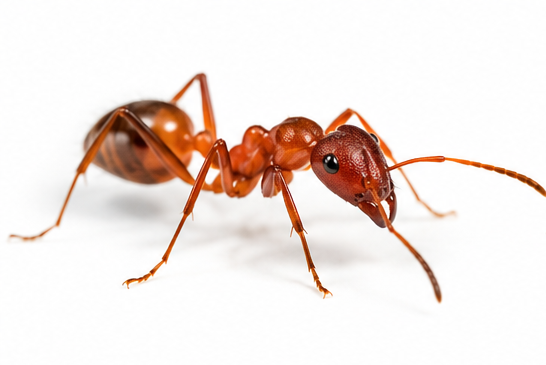
Adult ants vary in size, colour, and species, but every colony consists of three main castes: queens, workers, and males. Queens are fertile females responsible for laying eggs, workers are wingless females that gather food, care for the young, build and protect the nest, while winged males exist only to mate during the swarming season. Ants have six legs, elbowed antennae, and a narrow waist, allowing them to move quickly and communicate efficiently within the colony.
Habitat and Behavior
Thrive near food, water, shelter... Indoors: kitchens, pantries... Outdoors: gardens, lawns... Carpenter ants nest in wood... Worker ants leave pheromone trails to food...
Types Of Ants
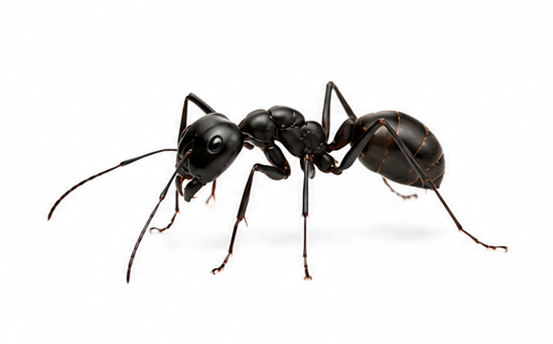
Black Ants
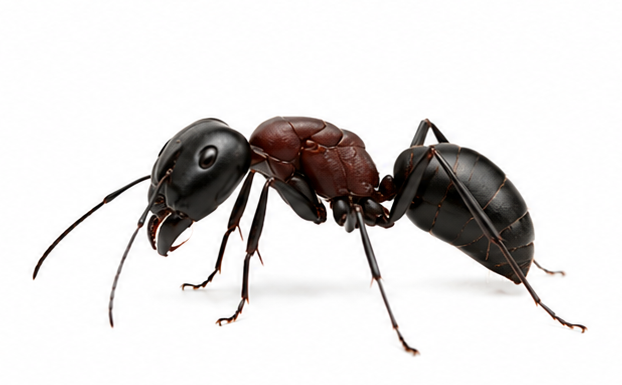
Carpenter Ants
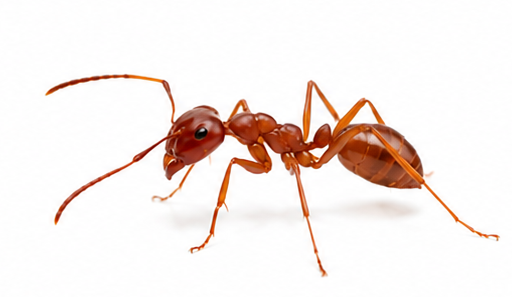
Red Ants

Life Cycle
Complete metamorphosis: Egg, Larva (legless, grub-like), Pupa (transforms in cocoon), Adult (worker, soldier, queen). Development time varies by species and conditions.
Signs of Infestation
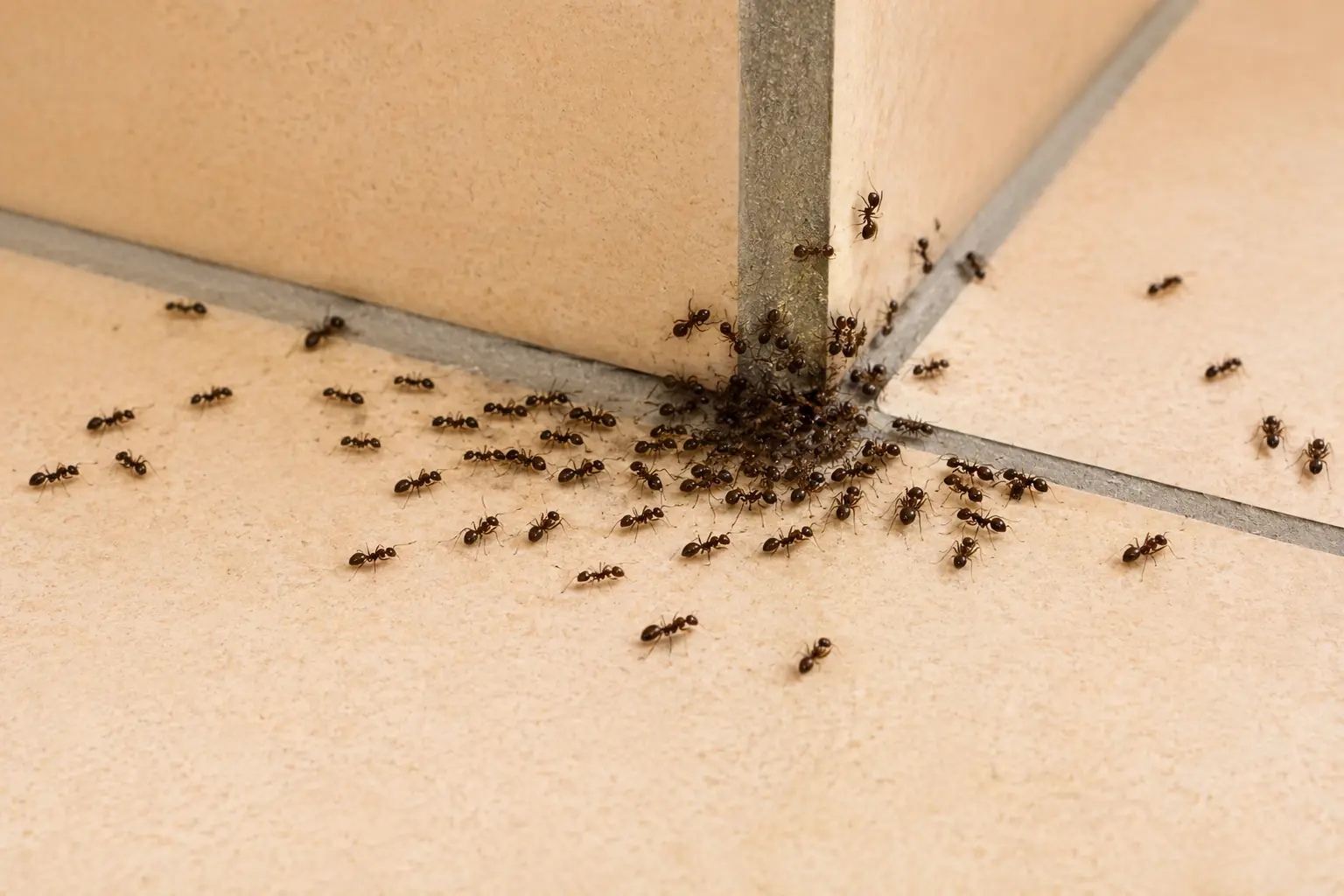
1 - Ant Trails – Lines of ants moving to and from food sources.
2 - Frequent Sightings – Ants in kitchens, pantries, or bathrooms.
3 - Winged Ants – Flying ants seen during the swarming season.
4 - Ant Nests – Soil mounds or nests near walls, gardens, or foundations.
5 - Food Contamination – Ants found in or around stored food.
6 - Wood Shavings – Fine sawdust-like frass from carpenter ants.
How Express Pesticides Helps Get Rid of Ants
Getting rid of ants and preventing them from returning requires more than a single treatment. At Express Pesticides, our trained pest management professionals inspect your property, identify the ant species, locate nesting sites, and determine the source of the infestation before recommending the most effective treatment solution.
Using our Integrated Pest Management (IPM) approach, we combine detailed inspection, targeted treatments, habitat modification, and continuous monitoring to provide long-term ant protection for homes, commercial facilities, restaurants, offices, industries, and institutions.
Our experienced technicians use advanced treatment methods and professional-grade products to eliminate active colonies while helping prevent future infestations, ensuring a safer and healthier environment.