Bed Bug FACTS & INFORMATION
(Bed Bug - Cimex lectularius)
Crawling InsectWhat do bed bugs look like?
Bed bugs are small, flat, reddish-brown insects that feed exclusively on blood. They hide in mattresses, bed frames, furniture, wall cracks, and upholstery during the day and become active at night when searching for a host.
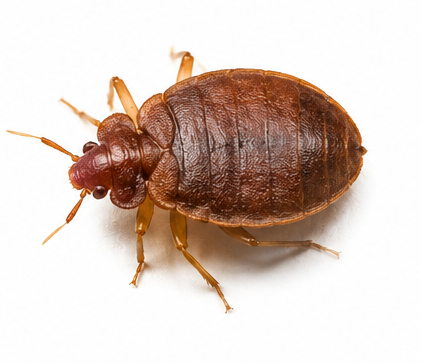
Habitat and Behavior
Expert hitchhikers (luggage, clothing)... Hide in tight crevices near sleeping areas: mattress seams, furniture, wall cracks, behind wallpapers... Can survive months without feeding... Drawn by body heat and CO2...
Types Of Bed Bug
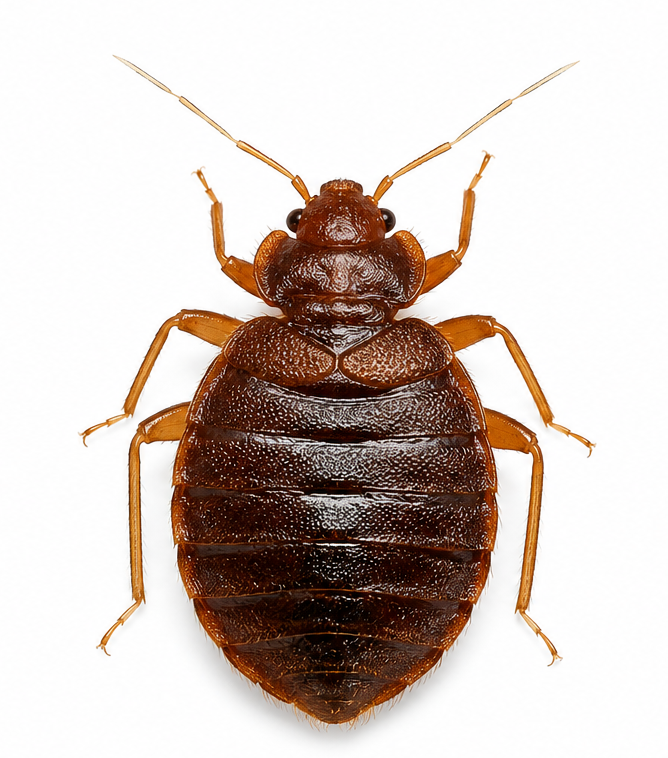
Common Bed Bug
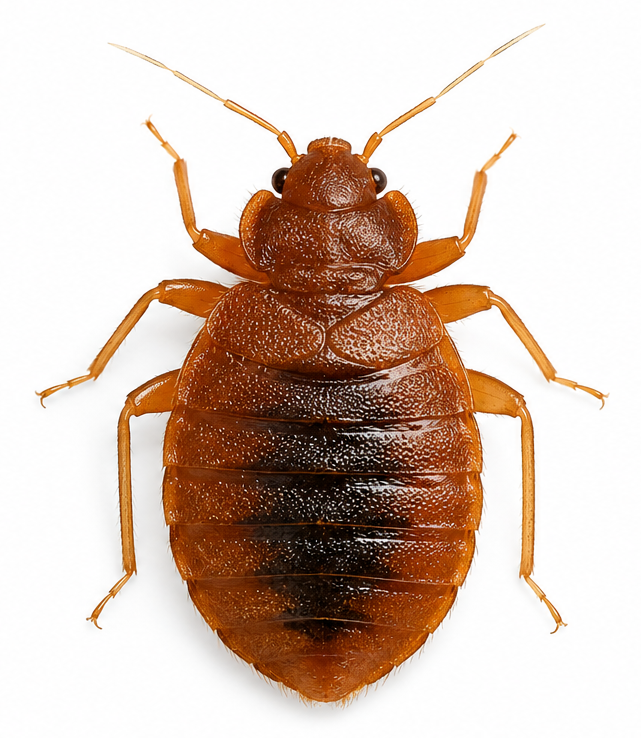
Tropical Bed Bug

Life Cycle
Incomplete metamorphosis: Egg (tiny, whitish), Nymph (smaller versions, need blood meals to molt, 5 stages), Adult (lives several months, reproduces).
Signs of Infestation
1 - Red, itchy bite marks on exposed skin.
2 - Small blood stains on bed sheets.
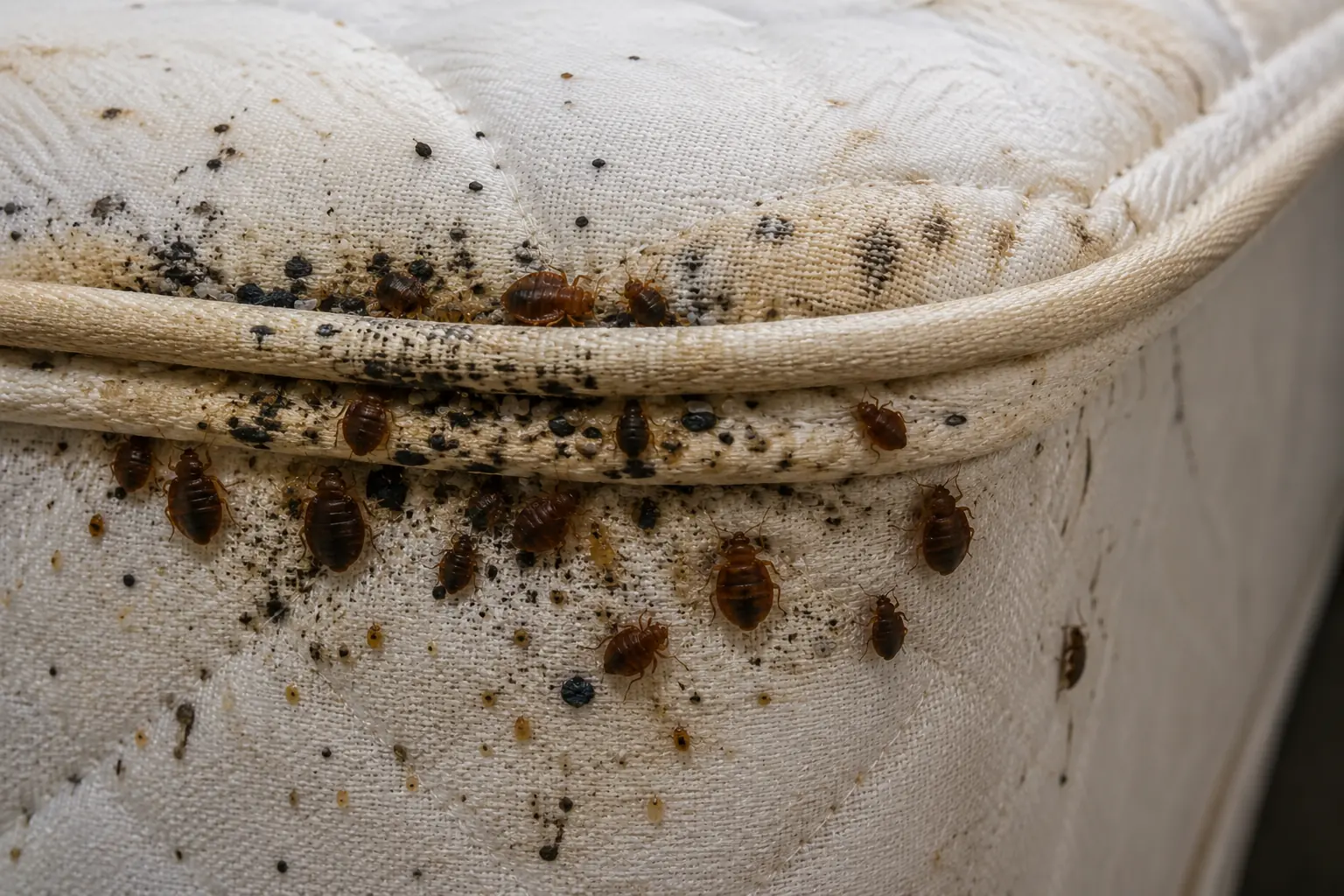
3 - Black faecal spots on mattresses and furniture.
4 - Live bed bugs in mattress seams or furniture joints.
5 - Tiny white eggs or shed skins.
6 - Sweet, musty odour in heavy infestations.
How Express Pesticides Helps Get Rid of Bed Bugs
Bed bug infestations require detailed inspection and thorough treatment of all hiding places. Express Pesticides provides professional inspection, targeted chemical and non-chemical treatments, and follow-up monitoring to ensure complete control.
Our technicians use proven Integrated Pest Management techniques to eliminate bed bugs while helping prevent re-infestation.