Termite FACTS & INFORMATION
(White Ant / Deemak - Isoptera)
Wood-Destroying InsectWhat do termites look like?
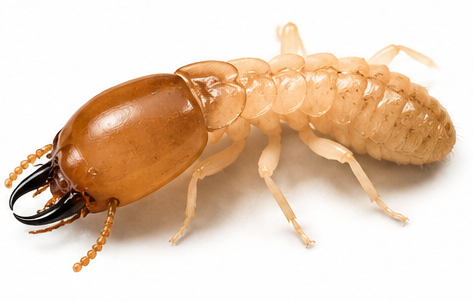
Termites are small, soft-bodied, pale insects that feed primarily on cellulose found in wood and paper... They cause billions in structural damage yearly... Unlike ants, they avoid light and remain hidden...
Habitat and Behavior
Termites live in large, organized colonies... Typical habitats include foundations, wooden beams, furniture, gardens... They thrive in warm, humid environments... Subterranean termites build mud tubes...
Types Of Termite
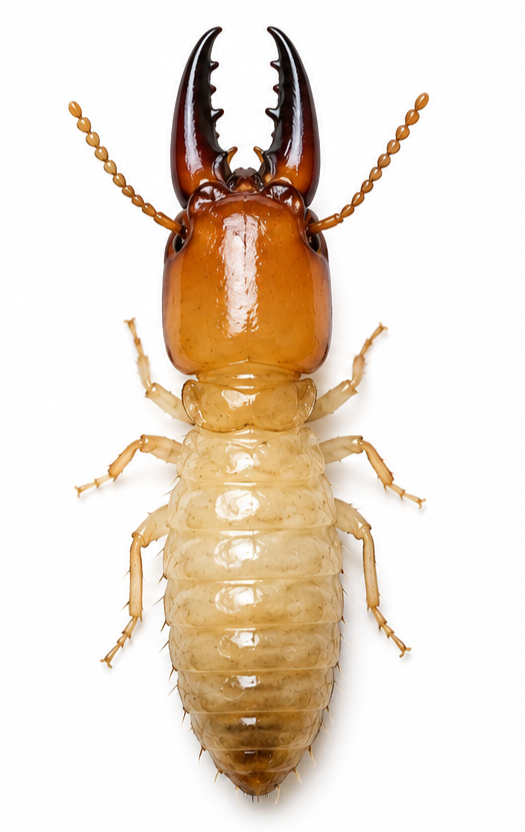
Subterranean Termites
Drywood Termites
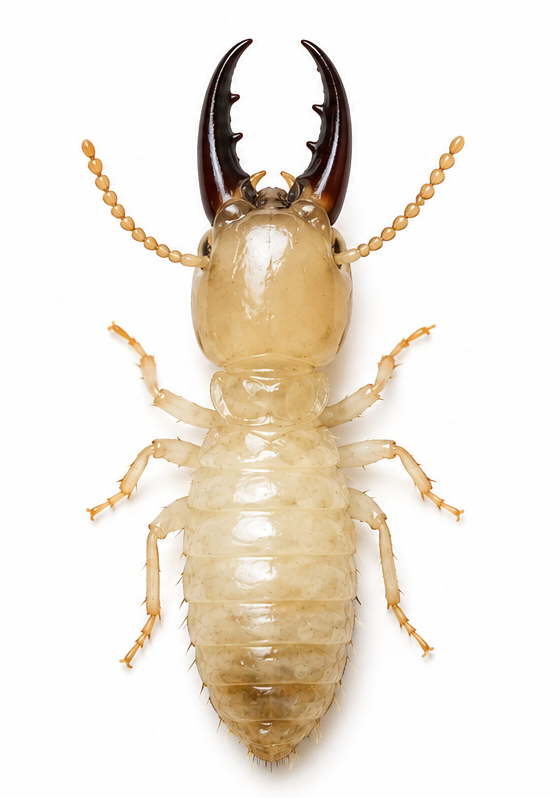
Dampwood Termites

Life Cycle
Termites undergo incomplete metamorphosis (egg, nymph, adult). The queen lays thousands of eggs. Nymphs develop into workers, soldiers, or swarmers. Workers gather food, soldiers defend, and swarmers start new colonies.
Signs of Infestation
1 - Mud tubes on walls or foundations.
2 - Hollow-sounding or damaged wood.
3 - Discarded wings near windows or doors.
4 - Bubbling or peeling paint.
5 - Tight-fitting doors or windows.
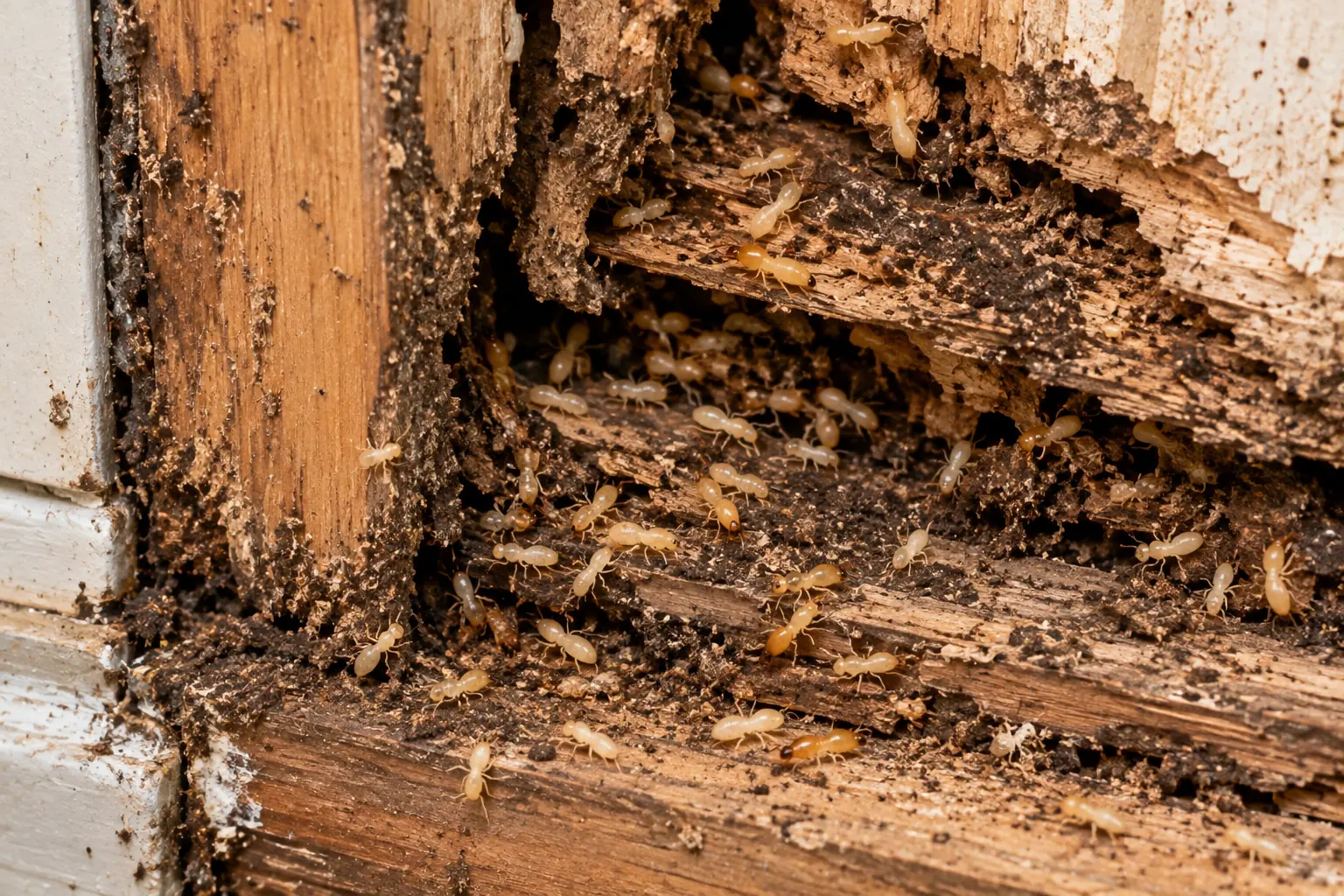
6 - Fine termite droppings (drywood termites).
How Express Pesticides Helps Get Rid of Termites
Termite control requires professional inspection and targeted treatment. At Express Pesticides, our experts identify termite species, locate active colonies, and assess the extent of infestation before recommending a customized treatment plan.
Using advanced Integrated Pest Management (IPM) techniques, including pre- and post-construction anti-termite treatments, drilling and injection, soil treatment, wood treatment, baiting systems, and routine monitoring, we provide reliable, long-term protection for homes, commercial buildings, and industrial facilities.